

How to Choose a Bond Provider
Transparency in Pricing
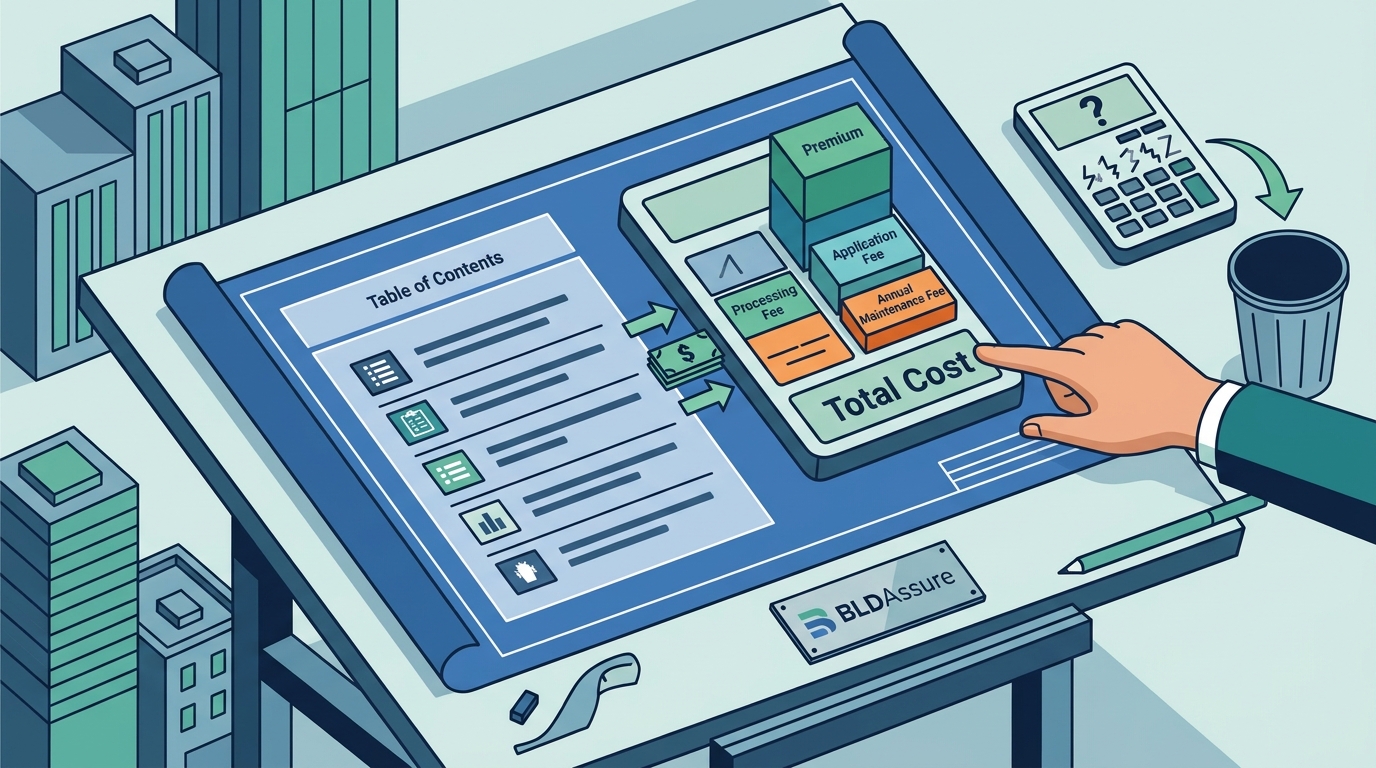
Always ask for a full quote that includes all fees. Some providers charge application fees, processing fees, or annual maintenance fees on top of the premium. A reputable provider will show you the total cost upfront. If a provider cannot give you a clear number, move on. You should know exactly what you are paying for before you sign anything.
Speed of Issuance
Speed matters, especially if you are renewing a license or starting a new business. Providers that can issue bonds instantly or within 24 hours are often more efficient and have better relationships with sureties. This can save you time and money if you are on a tight deadline. Check how long the provider claims to take and ask for proof of recent issuance times.
What to Ask Before Committing
Before you buy a bond, ask specific questions to protect yourself. These questions will help you understand the true cost and the terms of the bond. Do not skip this step. It is the best way to avoid surprises later.
Key Questions to Ask
- What is the total annual cost, including all fees?
- What credit score is required for this price?
- How long does it take to issue the bond?
- What happens if my credit score drops during the term?
- Can I cancel the bond early, and what is the refund policy?
Asking these questions shows the provider that you are informed. It also gives you the information you need to make a smart decision. If a provider is evasive or refuses to answer, that is a red flag.
How to Verify Your Bond
Once you have your bond, you need to verify that it is active and in good standing. This is a critical step that many contractors skip. An inactive bond can lead to license suspension or fines. To verify your bond, check with the state licensing board. Most states have an online portal where you can look up active bonds. You can also use third-party tools that compile public records. BLDAssure offers contractor verification tools that check license status, bond on file, and permit history. This ensures that your bond is visible to the authorities and to potential clients.
Why Verification Matters
Verification protects your license and your reputation. If your bond is not properly recorded, you may not be legally allowed to work. It also builds trust with clients who check your credentials. Taking a few minutes to verify your bond is a small investment with a big payoff.
How the Bonding Process Works
Understanding the process helps you anticipate the timeline and costs. The bonding process typically involves three steps: application, underwriting, and issuance. First, you apply for the bond by providing your business information and financial details. Next, the surety underwrites your application. This involves checking your credit score, financial statements, and business history. Finally, if approved, the bond is issued and recorded with the state. The entire process can take anywhere from a few minutes to a few weeks, depending on your credit and the complexity of your application.
The Underwriting Step
Underwriting is where your price is determined. The surety assesses your risk based on your credit score and financial health. A higher credit score usually means a lower premium. If you have poor credit, you may need to provide additional financial information or pay a higher premium. This step is the most variable part of the process and the biggest driver of cost.
What Drives the Cost
Several factors determine the final cost of your contractor license bond. Understanding these factors helps you predict your price and find ways to lower it. The main drivers are the bond amount, your credit score, your state, and your license classification.
Bond Amount
The bond amount is the maximum amount the surety will pay if you violate the law. Most states require bonds between $5,000 and $25,000. The higher the bond amount, the higher the premium. For example, a $25,000 bond will cost more than a $5,000 bond, even if the percentage rate is the same.
Credit Score
Your personal credit score is the single biggest factor in your premium. Most sureties use a tiered pricing model based on credit score. Here is a general breakdown of how credit score affects cost for a $25,000 bond:
| Credit Score | Typical Rate | Estimated Annual Cost |
|---|---|---|
| 700+ | 0.5% - 1% | $125 - $250 |
| 650 - 699 | 1% - 2% | $250 - $500 |
Note that these are estimates. Actual rates vary by surety and state. Some sureties offer alternative underwriting for applicants with poor credit, which can lower the rate.
State and Classification
Different states have different bond requirements and pricing structures. Some states have higher competition among sureties, which can lower prices. Your license classification also matters. A general contractor license may require a higher bond amount than a specialty trade license, which affects the cost.
Common Mistakes to Avoid
Many contractors make mistakes that increase their bond cost or cause delays. Avoiding these mistakes can save you money and time. The most common mistakes are not checking your credit score, missing renewal deadlines, and not verifying the bond.
Not Checking Your Credit Score
If you do not know your credit score, you are flying blind. Check your score before you apply. If it is lower than you expected, you have time to improve it or prepare for a higher premium. This simple step can save you hundreds of dollars.
Missing Renewal Deadlines
Late renewals can result in late fees or higher premiums. Set reminders for your renewal date. Some providers offer auto-renewal, which can help you avoid this mistake. Always confirm that your bond is renewed before your license expires.
Bonds vs. Alternatives
In some cases, you may have alternatives to a traditional surety bond. These alternatives can be more or less expensive depending on your situation. The main alternatives are cash deposits, letters of credit, and self-insurance.
Cash Deposits
Some states allow you to post a cash deposit instead of a bond. This is usually more expensive in the long run because you are tying up capital that could be used for business. A cash deposit of $25,000 is a significant amount of money to lock up. A bond, by contrast, costs a fraction of that amount per year.
Letters of Credit
A letter of credit is a bank guarantee that you can use in place of a bond. This option is usually available only to large, established businesses with strong bank relationships. It can be more expensive than a surety bond because banks charge fees for issuing and maintaining letters of credit.
Costs for Specific Situations
Your specific situation can affect your bond cost. Here are a few common scenarios and how they impact pricing.
New Businesses
New businesses often have limited financial history, which can make underwriting more difficult. This may result in a higher premium or a requirement for additional financial documentation. If you are a new business, be prepared to provide more information and potentially pay a higher rate.
Multi-State Licensing
If you are licensed in multiple states, you may need bonds in each state. This can increase your total cost. Some sureties offer multi-state bonds, which can be more cost-effective than buying separate bonds in each state. Check if your surety offers this option.
Rules and Protections
Contractor license bonds are regulated by state law. Understanding the rules helps you know your rights and obligations. The bond protects the public, not you. If you violate the law, the surety pays the claim and then seeks reimbursement from you. This is a key difference between a bond and insurance. You are ultimately responsible for any claims paid under your bond.
Your Obligations
You are obligated to comply with all laws and regulations related to your license. This includes proper licensing, permitting, and payment of workers and suppliers. If you fail to do so, you may be liable for claims under your bond. Stay compliant to avoid claims and keep your costs low.
Local Specifics
Bond requirements and costs vary by state and even by city. In California, for example, the Contractors State License Board requires a $25,000 bond for most contractor licenses. This amount increased to $25,000 on January 1, 2023. Other states have different requirements. Always check the specific requirements for your state and local jurisdiction. BLDAssure provides state-specific bond information to help you understand your local requirements.
Timing Your Application
Timing can affect your cost and your ability to get a bond. Apply early, especially if you are on a tight deadline. Underwriting can take time, especially if you have poor credit or a complex financial situation. Applying early gives you time to address any issues that may arise. It also allows you to shop around for the best price.
Renewal Timing
Renew your bond before your license expires. Late renewals can result in penalties or higher premiums. Set a reminder for your renewal date and apply at least 30 days in advance. This gives you time to resolve any issues and ensures that your bond is active when your license renews.
Long-Term Outcomes
Over time, your bond cost can change based on your credit score and financial health. If you improve your credit score, you can qualify for a lower rate at renewal. This is a long-term benefit of maintaining good financial habits. Conversely, if your credit score drops, your rate may increase. Monitor your credit score regularly and take steps to improve it if needed. This can save you money over the life of your license.
Key Takeaways
- Contractor license bond cost is typically 0.5% to 3% of the bond amount.
- Your credit score is the biggest factor in your premium.
- Always verify that your bond is active with the state licensing board.
- Ask for a full quote that includes all fees before you commit.
- Apply early to avoid delays and late fees.
- Consider alternatives like cash deposits or letters of credit, but be aware of their costs.
- Monitor your credit score to lower your rate over time.
- Check local requirements, as they vary by state and city.
Frequently Asked Questions
How much does a $25,000 contractor license bond cost?
Does my credit score affect my bond cost?
Yes, your credit score is the primary factor in determining your premium. A higher credit score usually results in a lower rate. Most sureties use a tiered pricing model based on credit score.
How long does it take to get a contractor license bond?
Instant issuance is available for many standard bonds, especially if you have good credit. If you have poor credit or a complex financial situation, it may take a few days to a few weeks for underwriting.
What happens if I violate the law?
If you violate the law, the surety may pay a claim under your bond. You are then responsible for reimbursing the surety for the amount paid. This is why it is important to stay compliant with all laws and regulations.
Can I cancel my bond early?
Yes, you can usually cancel your bond early. You will receive a pro-rated refund for the unused portion of the premium. Check your policy for specific cancellation terms and any fees that may apply.
Do I need a bond in every state where I am licensed?
Yes, you typically need a bond in each state where you hold a license. Some sureties offer multi-state bonds, which can be more cost-effective than buying separate bonds in each state.
How do I verify that my bond is active?
You can verify your bond by checking with the state licensing board or using a third-party verification tool. BLDAssure offers contractor verification tools that check license status, bond on file, and permit history.
Conclusion
Understanding contractor license bond cost is essential for any contractor. By knowing the factors that drive your price, you can make informed decisions and find the best option for your business. BLDAssure provides the tools and expertise you need to navigate the bonding process with confidence. From transparent pricing to instant issuance, BLDAssure helps you get the coverage you need at a price that makes sense. Take the time to research your options, verify your bond, and stay compliant. Your business will thank you for it.