

Performance and payment bonds are issued by licensed surety companies, not by the government or the contractor. These financial instruments guarantee that a contractor will complete a public works project and pay all subcontractors and suppliers. This guide explains the roles of surety issuers, the legal requirements for public works bonding, and how contractors procure these bonds through platforms like BLDAssure.
Surety Company Issuers
A surety company is a specialized insurance entity that underwrites and issues surety bonds. Unlike traditional insurance, which involves two parties (insurer and insured), a surety bond involves three parties: the principal (contractor), the obligee (project owner or government agency), and the surety (the issuing company). The surety assumes the risk of the contractor's non-performance or failure to pay, providing a financial guarantee to the public entity.
Regulatory Oversight and Licensing
Surety companies are heavily regulated to ensure they have the financial strength to honor bond claims. In the United States, surety companies must be licensed by state insurance departments and are subject to federal oversight by the National Association of Insurance Commissioners (NAIC). The NAIC maintains a list of eligible surety companies that are authorized to write bonds for federal and state public works projects. This list, often referred to as the Circular 570 list for federal projects, ensures that only financially stable and reputable companies can issue bonds for government contracts.
The Role of the Surety in Risk Assessment
Before issuing a bond, the surety company conducts a thorough underwriting process. This involves reviewing the contractor's financial statements, credit history, experience, and the specific details of the public works project. The surety is not merely a passive payer; it actively monitors the project to ensure the contractor is performing as agreed. If the contractor fails to complete the work or pay subcontractors, the surety steps in to resolve the issue, either by funding the completion of the project or by paying valid claims from subcontractors.
Contractor Bond Procurement
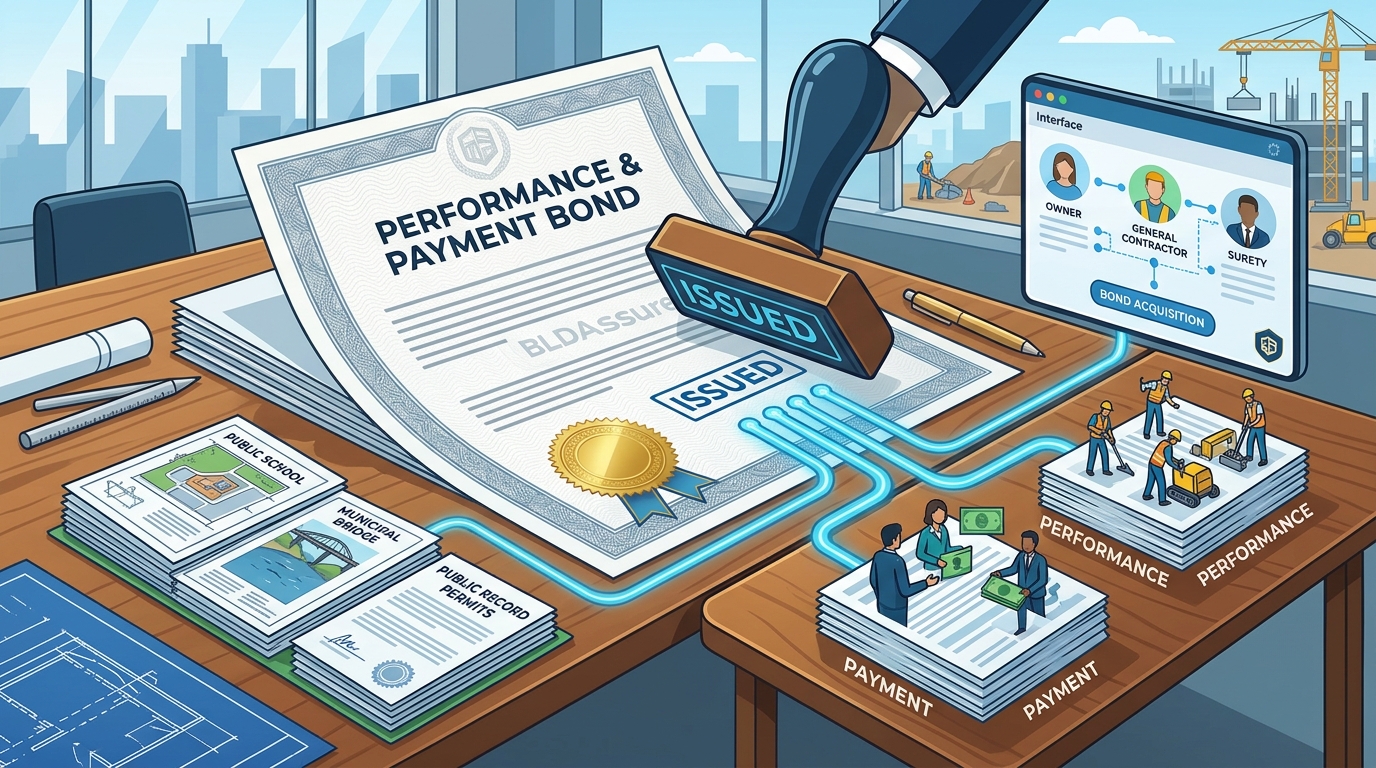
Procuring performance and payment bonds is a critical step for contractors bidding on public works projects. The process involves understanding the specific bond requirements of the project, selecting a surety, and completing the underwriting application. For many contractors, this process can be complex and time-consuming, especially when dealing with multiple jurisdictions or large-scale projects.
Understanding Bond Requirements
Public works projects typically require both a performance bond and a payment bond. The performance bond guarantees that the contractor will complete the project according to the terms of the contract. The payment bond protects subcontractors and suppliers by ensuring they are paid for their work. The amount of these bonds is usually a percentage of the total contract price, often 100% for both bonds. Contractors must carefully review the bid documents to understand the specific requirements, including the type of bond, the amount, and any additional conditions.
The Application and Underwriting Process
To obtain a bond, the contractor must submit an application to a surety company. This application includes detailed financial information, such as balance sheets, income statements, and cash flow statements. The surety uses this information to assess the contractor's ability to complete the project. If the contractor is approved, the surety issues the bond, and the contractor pays a premium, which is typically a percentage of the bond amount. The premium rate depends on factors such as the contractor's credit score, financial strength, and the size of the project.
Leveraging Technology for Streamlined Procurement
Modern technology platforms are transforming the bond procurement process. BLDAssure, for example, integrates with surety partners like Propeller Bonds to facilitate the issuance of surety bonds for contractors. By compiling license and permit information from public records, BLDAssure helps streamline compliance and risk management. This digitization reduces the administrative burden on contractors and ensures that all necessary documentation is accessible and organized. For contractors, this means faster turnaround times and a more efficient bidding process.
| Factor | Performance Bond | Payment Bond |
|---|---|---|
| Primary Purpose | Guarantees project completion | Guarantees payment to subs/suppliers |
| Beneficiary | Project Owner (Obligee) | Subcontractors and Suppliers |
| Typical Amount | 100% of Contract Price | 100% of Contract Price |
| Legal Basis | State/Federal Public Works Laws | Little Miller Act (Federal) / State Equivalents |
Key Takeaways
- Surety companies are the entities that issue performance and payment bonds for public works projects.
- Surety companies are regulated by state and federal authorities to ensure financial stability.
- Performance bonds guarantee that the contractor will complete the project as specified.
- Payment bonds protect subcontractors and suppliers by ensuring they are paid.
- The bond amount is typically 100% of the total contract price for both bond types.
- Contractors must undergo an underwriting process to obtain bonds, which includes financial reviews.
- Technology platforms like BLDAssure can streamline the bond procurement process.
- Eligible surety companies are listed by the NAIC for federal and state projects.
Frequently Asked Questions
Who is the obligee in a public works bond?
The obligee is the project owner or government agency that requires the bond. They are the party protected by the bond's guarantees.
What is the difference between a performance bond and a payment bond?
A performance bond guarantees the contractor will complete the project, while a payment bond guarantees that subcontractors and suppliers will be paid.
How much do performance and payment bonds cost?
The cost, or premium, is typically a percentage of the bond amount, ranging from 1% to 3% depending on the contractor's financial strength and the project size.
Can any insurance company issue a surety bond?
No, only licensed surety companies can issue surety bonds. These companies are specifically regulated for this purpose.
What happens if a contractor fails to perform?
If the contractor fails to perform, the surety company steps in to resolve the issue, which may involve funding the completion of the project or paying valid claims.
How does BLDAssure help with bond procurement?
BLDAssure integrates with surety partners to facilitate bond issuance and compiles license and permit data to streamline compliance for contractors.
Are there federal requirements for public works bonds?
Yes, the Miller Act requires performance and payment bonds for federal construction contracts over a certain threshold.
What documents are needed to apply for a bond?
Contractors typically need to provide financial statements, credit reports, and project details to the surety company.
Conclusion
Understanding who issues performance and payment bonds is essential for contractors navigating public works projects. Surety companies play a vital role in providing the financial guarantees that protect public entities and subcontractors. By leveraging technology platforms like BLDAssure, contractors can streamline the procurement process and ensure compliance with regulatory requirements. To explore how BLDAssure can support your bonding needs, visit our surety bonds page.